
 Written by
 With the upcoming Taini Jamison Series (21 Sept, 24 Sept, 28 Sept), it is fitting to take a closer look at the progression of test matches between these two teams over the years. This preview will explore their playing styles, evolution, and recent developments throughout the season.
In previous blogs, we’ve discussed each team in detail, examining their style of play and evolution since their inception. You can find the blogs for the Silver Ferns and SPAR Proteas via the provided links.
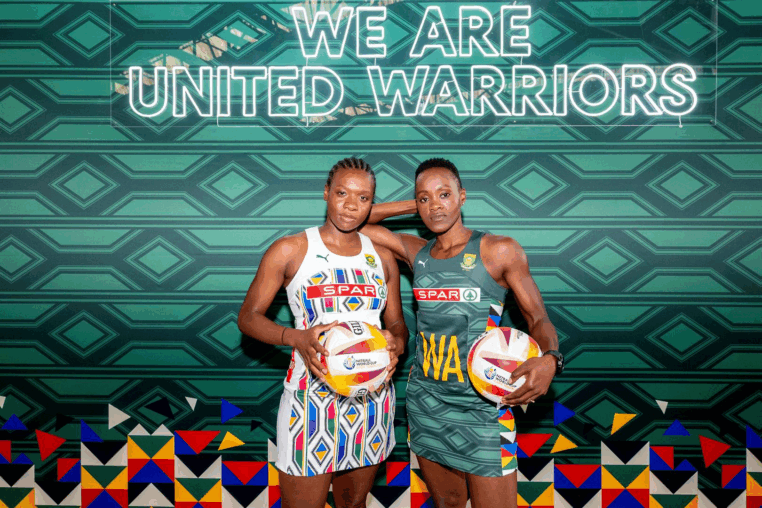
To summarize, the SPAR Proteas’ netball journey reflects both South Africa’s turbulent history and sporting resilience. From being World Cup runners-up (before a 25-year international ban during Apartheid) to their reintegration in the 1990s and hosting the 2023 Netball World Cup, the Proteas have steadily rebuilt into a global force. Today, with icons like Karla Pretorius and Bongiwe Nsomi, and rising stars such as Sanmarie Visser and Khanyisa Chawane, alongside the leadership of coaches Jenny van Dyk and Zanele Mdodana, South African netball is entering a new era of growth and international competitiveness.
The Silver Ferns, New Zealand’s national team, have been a dominant force since 1938, with historic triumphs including five Netball World Cup titles and multiple Commonwealth Games golds. Their success is fueled by legendary players such as Irene van Dyk, Maria Folau, Laura Langman, and Ameliaranne Ekenasio, as well as a training philosophy grounded in Māori values of guardianship, respect, and resilience. Combining cultural principles with cutting-edge strength, agility, and tactical training, the Ferns have built a legacy of hard work and remain one of the world’s most formidable netball nations.
A History of NZ vs SA
The rivalry between the Silver Ferns and SPAR Proteas has been shaped by history, dominance, and breakthrough moments. For decades, New Zealand maintained a clear upper hand, winning the majority of encounters by large margins, while South Africa rebuilt its international presence after returning from sporting isolation in the 1990s.
The Proteas’ greatest triumph came at the 1995 Netball World Championship in Birmingham, where they stunned the Ferns 59–57 in the semi-final to reach their first and only World Cup final. Since then, New Zealand has reasserted dominance, but South Africa has steadily closed the gap, most notably under coach Norma Plummer in the late 2010s, losing by just two goals in the 2019 World Cup semi-final.
The rivalry reached a new height at the 2023 Netball World Cup in Cape Town, where the teams played out a dramatic 48–48 draw, only the second time the Proteas had avoided defeat to the Ferns. While the overall record still leans heavily toward New Zealand, the contests now highlight a clash of contrasting styles: the Ferns’ structured, creative flair against the Proteas’ physical, disruptive grit, making every meeting a battle of precision versus pressure.
Current Standings
New Zealand currently sits number 2 on the Netball World Rankings. Although they finished fourth at the 2023 World Cup, they bounced back by winning the 2024 Constellation Cup 3–1 against the Australian Diamonds. This series highlighted significant growth following a shaky World Cup performance.
The squad has also undergone rigorous training camps focused on team bonding and psychology, alongside traditional netball training. This approach has fostered a more cohesive, composed, and technically skilled team. With former captain Ameliaranne Ekenasio and an injury-recovered Grace Nweke returning to goal shooter duties, the Ferns made turnovers difficult to obtain. The midcourt, featuring speed and creativity from Whitney Souness, Mila Reuelu-Buchanan, Maddie Gordon, and Kimiora Poi, complements a defensive structure anchored by Kelly Jackson (three-time Dame Lois Muir Supreme Award winner), Karin Burger, Jane Watson, Parris Mason, and Kate Heffernan.
Recent developments by Netball New Zealand have also influenced team dynamics. The player eligibility rule was amended, allowing players based overseas to trial and play for the Ferns, retaining international experience while expanding talent depth. Additionally, following player complaints about Dame Noeline Taurua’s coaching and communication style, Yvette McCausland-Durie has taken over as head coach for the upcoming series with Liana Leota as assistant coach.
For the SPAR Proteas, multiple personnel changes have occurred since the 2023 World Cup. Norma Plummer is no longer head coach, with Jenny van Dyk appointed as head coach and Zanele Mdodana as assistant. Both coaches have achieved historical successes and are cultivating a new generation of South African netball. The integration of younger players, alongside the development of overseas experience, has helped South Africa secure fifth in the world rankings. With international influences shaping their evolving style, the Proteas continue to blend local identity with global competitiveness.
Team Overviews
SPAR Proteas
Khanyisa Chawane (C)
Nichole Breedt
Entle Futshane
Kamogelo Maseko
Tarle Mathe
Owethu Ngubane
Refiloe Nketsa
Nozipho Ntshangase
Nicola Smith
Rolene Streutker
Elmere van der Berg
Shadine van der Merwe
Juanita van Tonder
Jamie van Wyk
Sanmarie Visser
The SPAR Proteas bring a young, energetic flair to the court, blending attacking creativity with disciplined defensive structures. Chawane and Nketsa lead the attack with speed and dynamic movement, while Breedt, Maseko, and Ngubane control the midcourt with clever playmaking and quick transitions. In the shooting circle, Streutker and van der Berg provide accuracy, consistency, and leadership under pressure. Defensively, Mathe, van Wyk, Visser, Ntshangase, and experienced internationals Smith and van der Merwe offer intensity, guidance, and stability. Emerging talents Futshane and van Tonder inject fresh energy, highlighting the Proteas’ growing depth and international potential.
Silver Ferns
Karin Burger
Maddy Gordon
Catherine Hall
Georgia Heffernan
Kate Heffernan
Kelly Jackson
Parris Mason
Grace Nweke
Kimiora Poi
Mila Reuelu-Buchanan
Martina Solomon
Carys Stythe
Peta Toeava
Filda Vui
Heading into the series, the Silver Ferns blend experience, athleticism, and emerging talent. Burger, Jackson, and Hall provide a defensive trio capable of structured zone defense and sharp one-on-one pressure, while Gordon, K. Heffernan, and Mason anchor the midcourt with speed, precise passing, and relentless work rate. Nweke remains the focal point in attack, supported by G. Heffernan, Solomon, and Vui, offering movement, accuracy, and versatility. Playmaking from Poi and Reuelu-Buchanan injects pace and creativity, while Stythe and Toeava provide adaptable depth across defense and midcourt. This combination ensures the Ferns can rotate seamlessly, maintain intensity, and pose multiple threats throughout the court.
Match-Ups To Look Out For
The series will be defined by several key positional battles:
Grace Nweke vs Sanmarie Visser – height and shooting accuracy against tight defensive anticipation.
Elmere van der Berg vs Kelly Jackson – composure and reach under pressure.
Kimiora Poi vs Tarle Mathe – midcourt agility and playmaking against defensive reading and physicality.
Maddy Gordon vs Refiloe Nketsa – pace, positioning, and turnover potential at both ends.
Kate Heffernan vs Jamie van Wyk – agility, intercept timing, and defensive reads.
Karin Burger vs Nichole Breedt – disrupting midcourt creativity and penetration.
These matchups highlight the contrast in styles: New Zealand’s structured, fast-passing game versus South Africa’s physical, pressure-driven approach, with each battle likely determining control of tempo and momentum.
Team Clinicality: Strengths, Weaknesses, and Counters
Both teams have strengths and exploitable tendencies. The Silver Ferns, while structured and fast, can sometimes overpass or force plays, leading to turnovers, particularly against aggressive midcourt pressure. They can also be vulnerable to physicality in the circle, where defenders who anticipate feeds and time jumps can disrupt shooters like Nweke. To counter this, the Ferns must maintain composure, use patient ball movement, and employ quick switches to avoid predictability.
They also utilize WD and GD through-court attack. With Burger and Heffernan being strong ball carriers. The Ferns are also masters of movement, driving and creating space – pulling defenders with them to open up another drive. They are known for their cross-court swings of the ball to open up the unused side of the court. Defensively, players are masters of creating an illusion of an open player, leaping into the air for a flying intercept.
As a whole, the Ferns have created a culture of teamwork and court awareness, being able to make substitutions and continue the flow of the game without disruption of combinations. Their players are also very versatile; each player typically has two or more mastered positions. We’ve seen like likes of 1.92m Jackson playing WD, and players such as Toeava and Vui bring an unmatched level of positional rotation and creative flair to this clinical side.
The Proteas, meanwhile, occasionally struggle with shooting accuracy and can overcommit defensively, leaving gaps for the Ferns’ quick, clever passes. Midcourt fatigue against the Ferns’ relentless pace is also a risk. South Africa can mitigate this by prioritizing shot selection, rotating players efficiently, and using deceptive feeds and off-ball movement to challenge New Zealand’s defense. Exploiting these tendencies could prove decisive, as small lapses are often converted into game-changing opportunities at this elite level.
The Proteas often employ long, angled passes and cross-court feeds to avoid the famous box defense of teams such as the Silver Ferns and Australian Diamonds, forcing opponents to stretch and shift rapidly, which can expose defensive gaps. Defensively, the Proteas excel at anticipation, timing, and high-pressure contests. Their players are known for aggressive intercepts, smothering passes, and forcing turnovers. Players like Mathe, Visser, and Ntshangase are competitive in the air. The Proteas through-court defense has also been a topic of recent years, with players such as Breedt and Maseko providing the team with much-needed intercepts in the midcourt. On attack, the Proteas are masters of early preparation and fast-paced ball movement, while players such as van der Berg and Streutker make for strong holding shooters, employing a moving circle when necessary. Fresh defenders are ones to look out for, seeing how the elevation of Futshane and marksmanship of van Tonder will stand up to players such as Nweke will be highly anticipated.
Final Thoughts
The stage is set for a thrilling Taini Jamison Series, as the Silver Ferns and SPAR Proteas bring history, talent, and ambition onto the same court. New Zealand enters with its trademark precision, movement, and adaptability, eager to reinforce its standing as one of the world’s most consistent netball powers. South Africa, meanwhile, continues to rise as a team of resilience and flair, blending youthful promise with seasoned leadership as they seek to carve out more landmark results against top-tier opposition.
Beyond rankings and statistics, this series represents the clash of two contrasting philosophies: the Ferns’ calculated creativity versus the Proteas’ disruptive grit. Every intercept, feed, and shot will carry the weight of past rivalries, from South Africa’s shock 1995 victory to their dramatic draw in Cape Town in 2023. With both teams embracing change in coaching, player development, and tactical depth, the upcoming encounters are more than just preparation – they are a measure of how the future of world netball is shaping.
If history is anything to go by, fans can expect matches defined by intensity, tactical battles, and unforgettable moments. Whether it’s the towering presence of Grace Nweke, the creativity of Peta Toeava, the grit of Sanmarie Visser, or the leadership of Khanyisa Chawane, this series promises to showcase the best of netball’s evolving global story.